About
I pay attention to where the work gets harder than it should.
Growing up hard of hearing made me pay close attention to missing context, fuzzy signals, and interfaces that technically work but still leave you digging for the answer.
Fourteen years in, I’m still asking: why is this harder than it needs to be?
A handoff no one questioned. A decision no one wanted to own. By the time it ships, the mess is already baked in.
I can usually trace a product problem back to the organizational problem behind it.
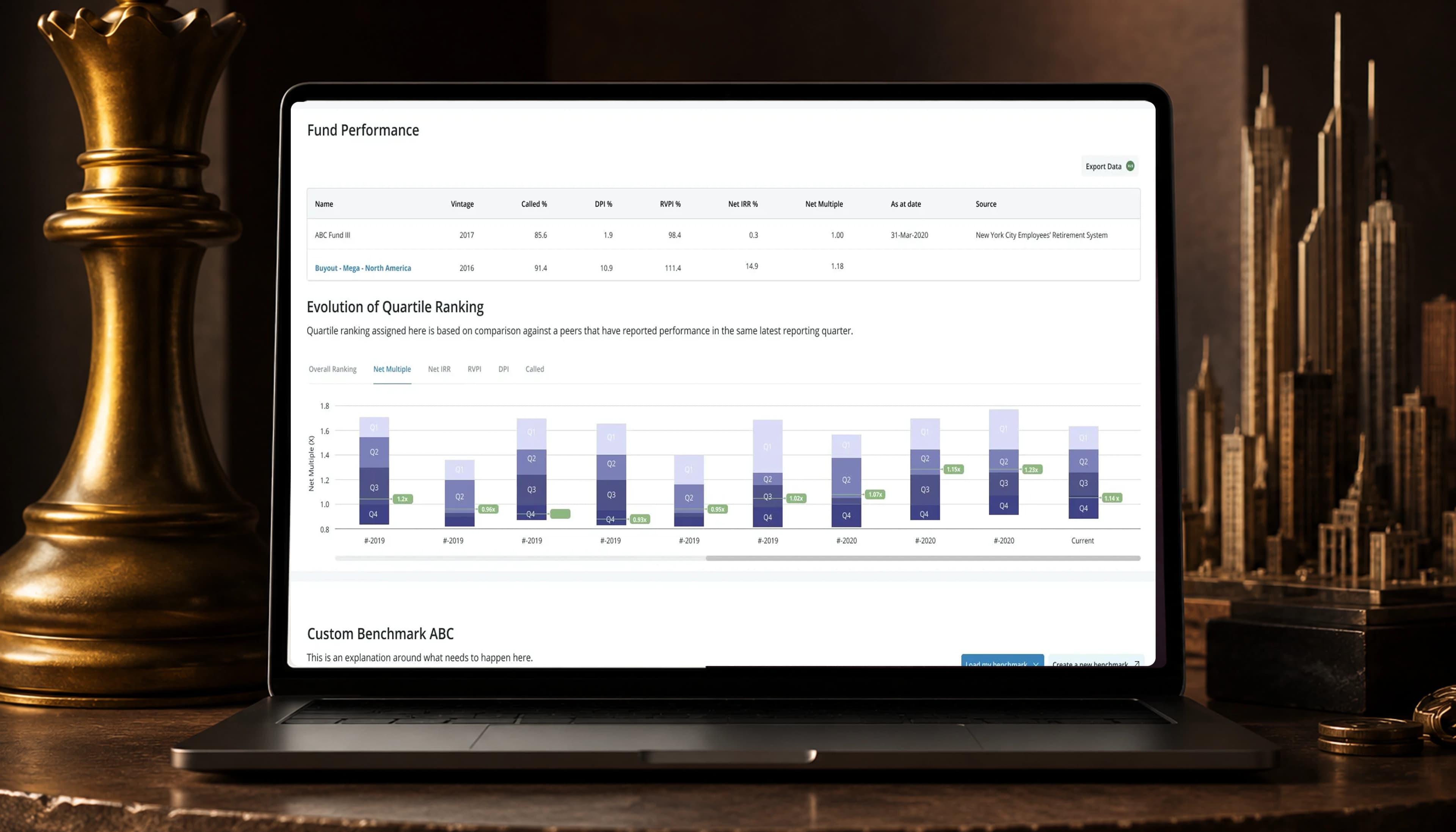
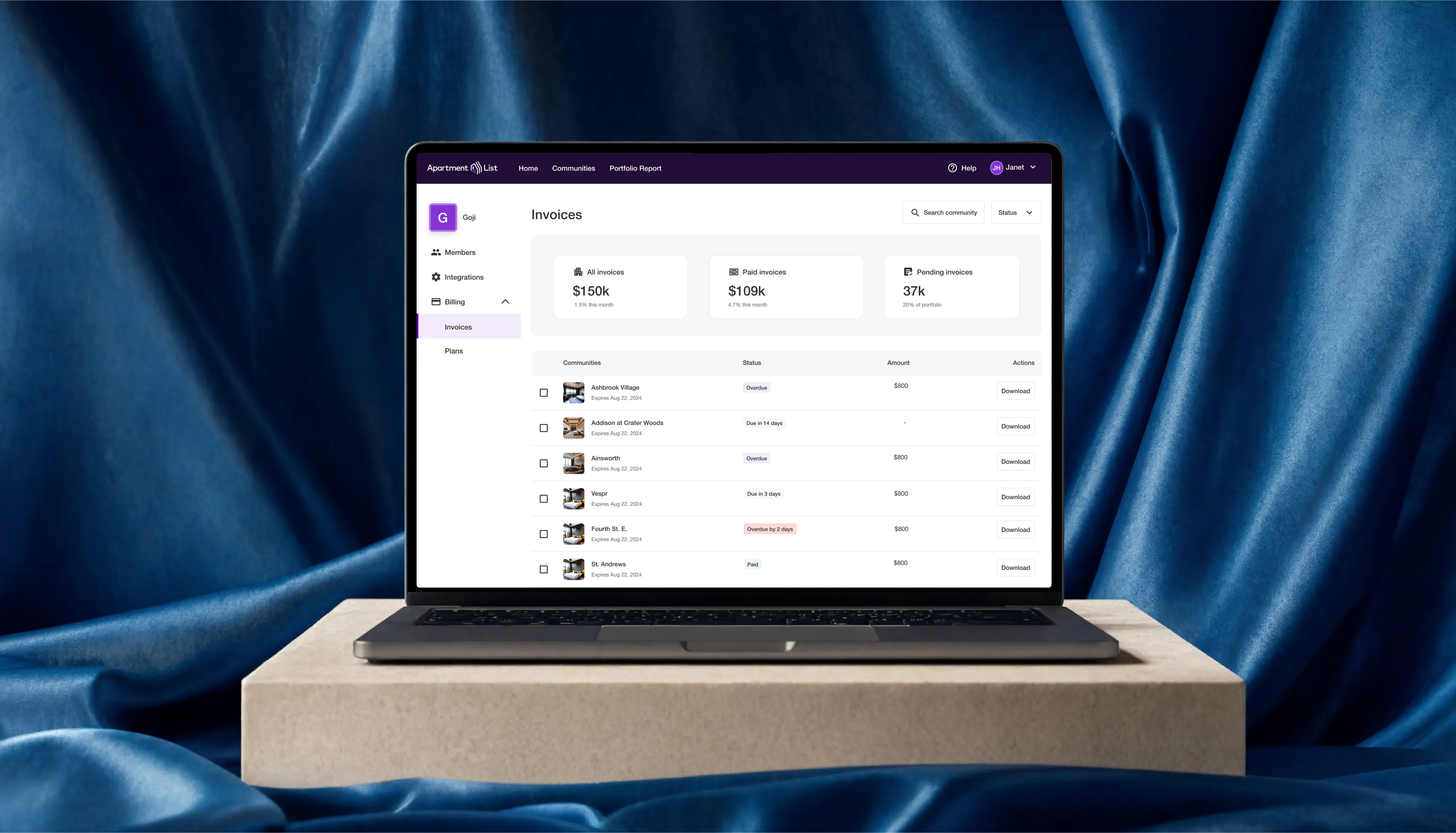
I’ve built 0→1 products and complex technical systems across AI, marketplaces, fintech, proptech, and enterprise software.
Usually, I find the problem, get the right people together, ship something useful, and see what the metrics say.
It is rarely simple.
Experience
Independent
Founder and Lead Designer
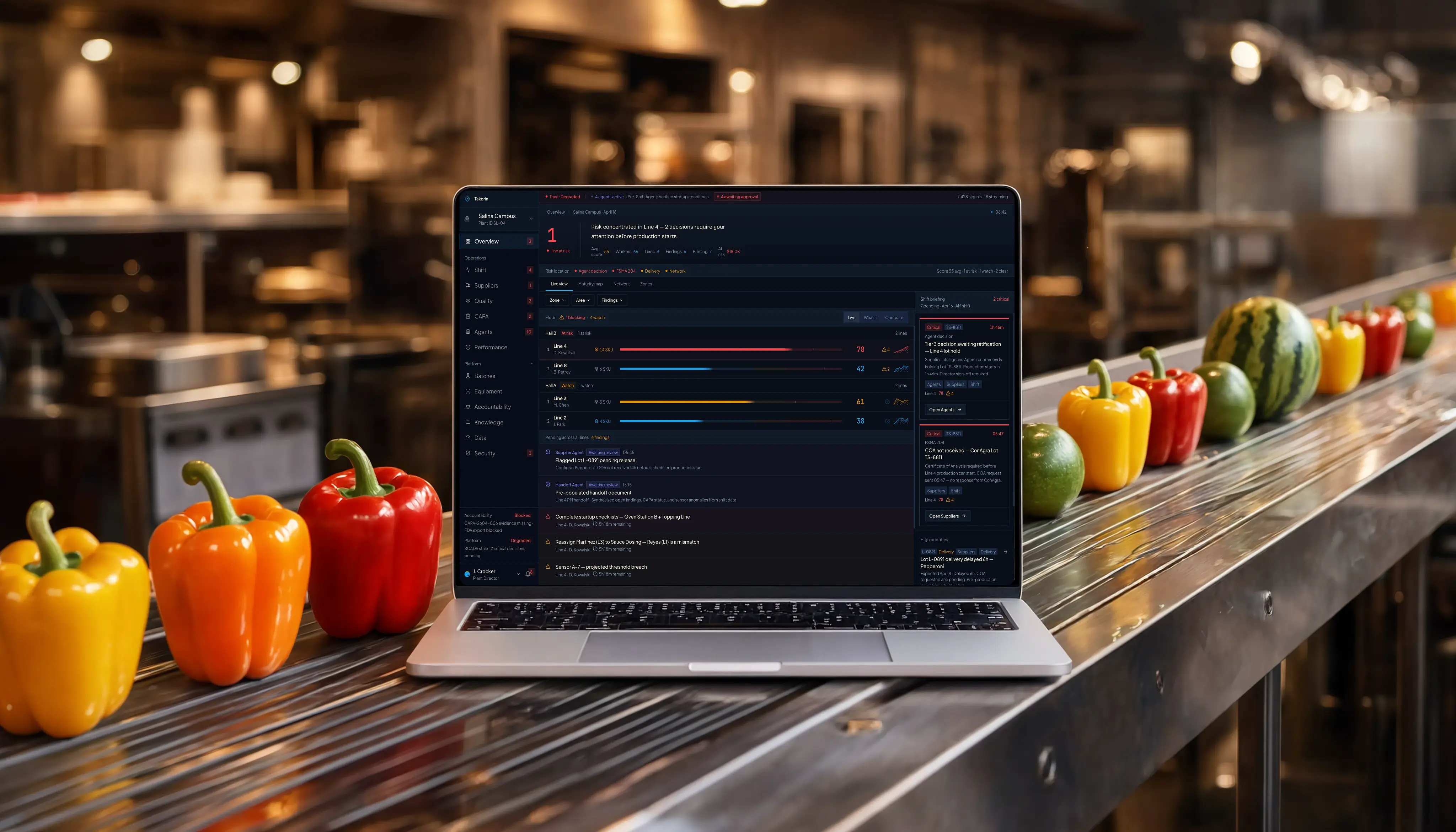
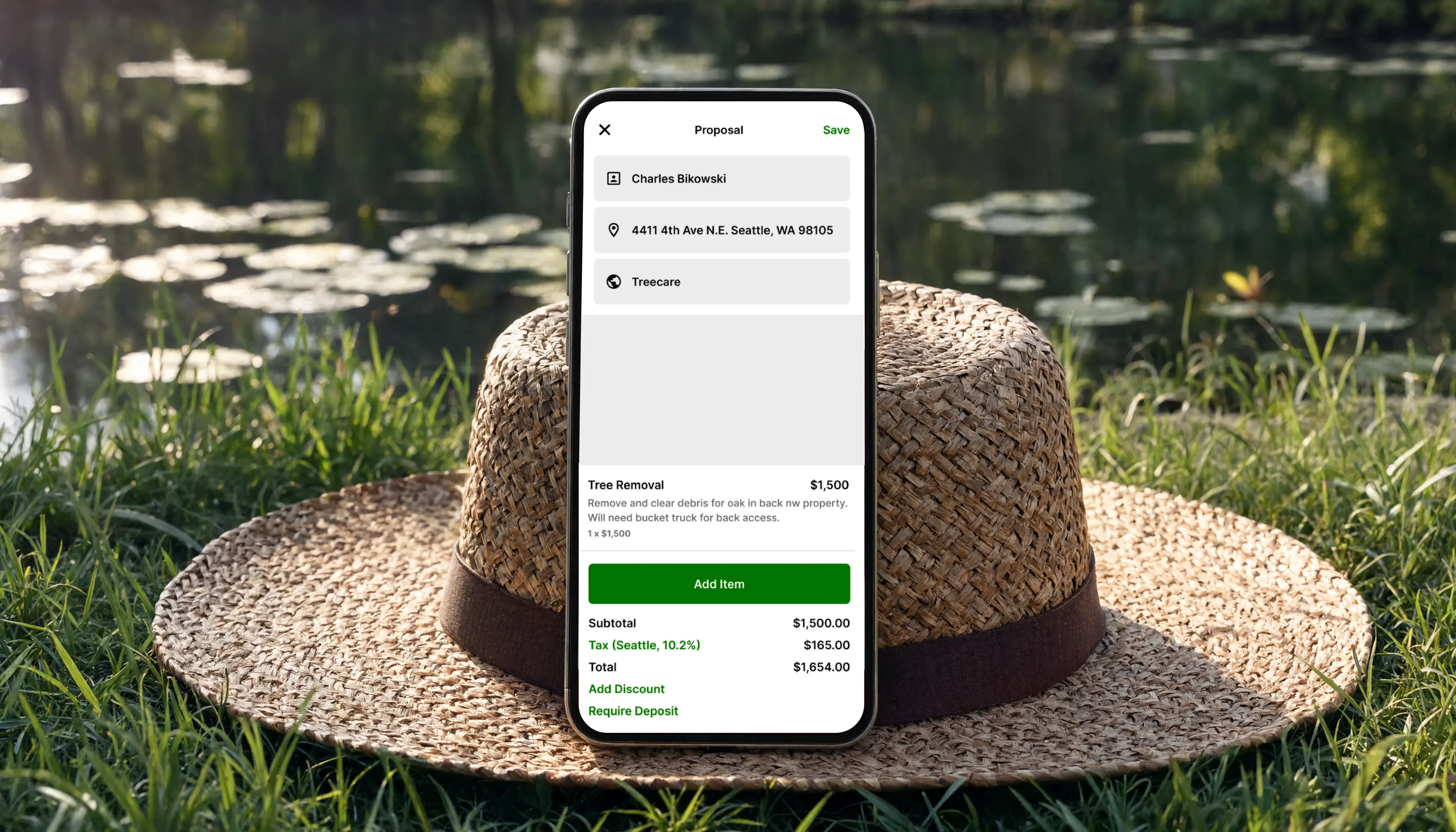
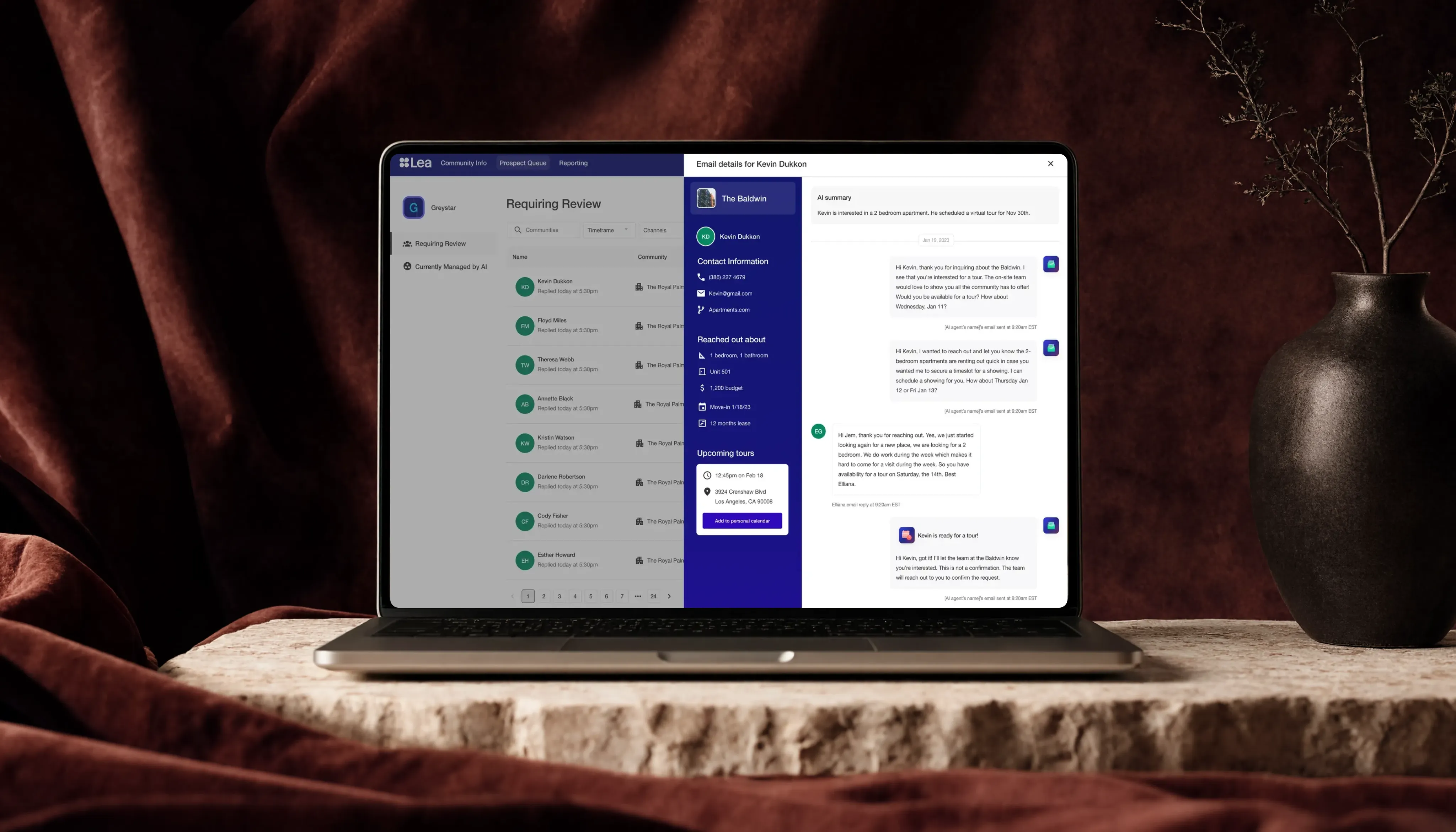
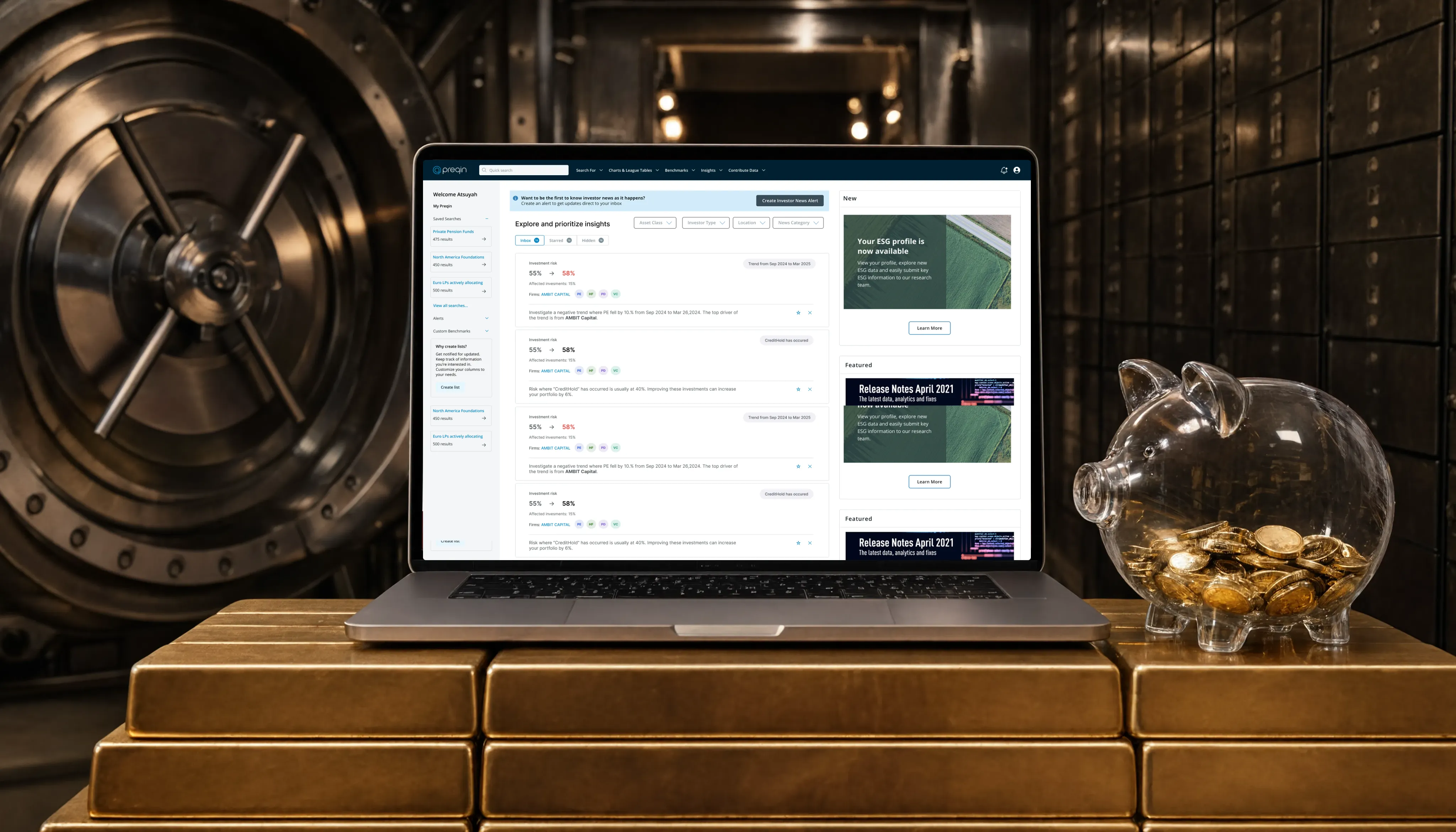
Three zero-to-one ventures, run without a dedicated engineering team and with the scope calls made directly: Takorin, an agentic layer over factory floor data; Brivon, patient advocacy built around insurance denials; and PortSight, a financial exposure workflow for logistics.
I prototype when people disagree
If we disagree about it, I’d rather make a rough version than sit through three meetings arguing in the abstract.
That is where the real requirements show up. People are not always great at describing what they want, but they know it when they see it. Something to react to usually gets us to a decision faster.
I also do not wait for perfect inputs. Most teams do not have them. I read the room, make a call, and change it when the evidence says to. Strategy does not arrive finished. You build it decision by decision, using what you can defend at the time.
Two things that aren’t work
I cook on a restrictive diet
Most of the shortcuts are unavailable to me, so anything good has to be worked out rather than followed. Substitution is the whole practice: you lose an ingredient, and the thing it was doing structurally still has to happen somehow. It is the closest I get to design work without a screen.

Sunday, working out what replaces eggs
I buy from shops with a point of view
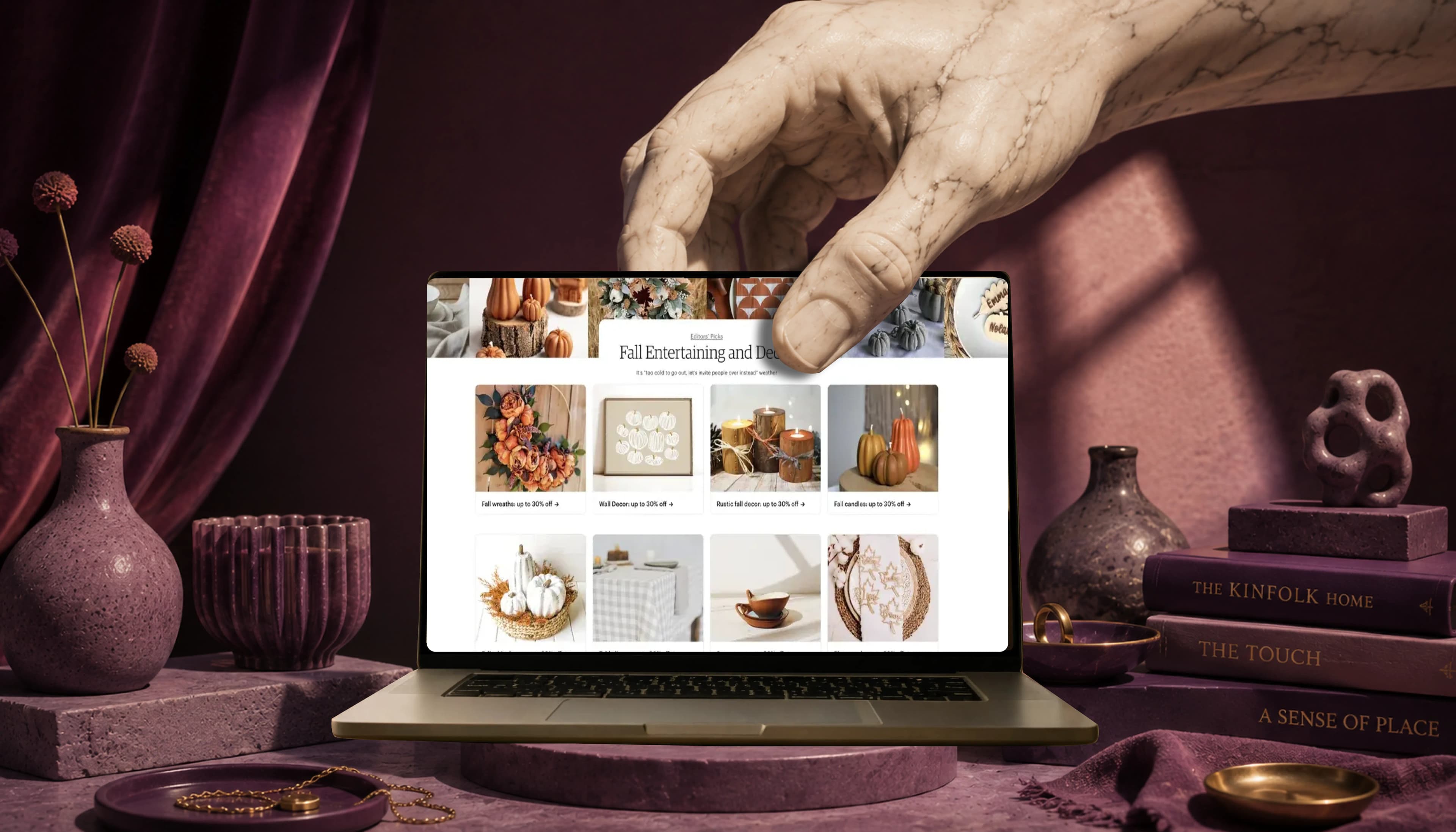
The ones where you can tell a person chose the stock. Taste is a decision somebody made and then defended, and it shows in retail faster than it shows in software, because a shop cannot hide behind a roadmap. Daniel Yu’s is the one I keep going back to.

Stream by Daniel Yu