Apartment List~6 min read
Renters favorited a property and never got in touch.
Four experiments in two weeks. Three failed.
- Role: Product design and research
- Timeline: 2 weeks
- Team: 1 PM, 1 engineer, me
- Impact: $50k → $500k placement revenue
- Platform: Web
- Platform: iOS, Android
What the spotlights returned
Renters contacting properties
after spotlights
Placement revenue
up from $50k, run-rate
Both figures were read at three weeks, ahead of the three months Apartment List normally took to report, and held through my departure in 2024, and both come from spotlights alone, not the program: the other three experiments are set out above and did not produce them. Revenue is what property management companies pay for placement, not lease revenue attributed to better matching. The 80% counts renters contacting properties, and it shares its denominator with the 50% this page opens on — the renters who favorited a property and never contacted it. So it is a lift: half of them made contact before, four in five afterwards, thirty points on the same population. It only moved in one direction. Properties replying to renters stayed where it was, which is the half of the exchange this work did not touch.
Intent without a next step
Half the renters who favorited a property at Apartment List didn’t contact anyone about it within 90 days. They did not need more options. They needed a reason to choose one.
Eight renter interviews pointed to the same shortcut. Renters trust property management companies they have seen before. The product knew which company owned each listing, but never surfaced it.
I ran four experiments in two weeks, ordered by expected value. One worked: it took the contact rate from half of those renters to four in five, and placement revenue from a $50k run-rate to $500k. It wasn’t the one the research seemed to point to, and the difference corrected the thesis instead of confirming it.
What I owned
I owned
- Research with 8 renters, which showed trust working as a shortcut against choice fatigue
- A competitive review of Airbnb and Amazon, and the placement principle it suggested
- All four experiments and the order that determined what ran in two weeks
- Leading and lagging measures, set before testing began
- The lockup redesign, tested at roughly 8,000 sessions per arm
Decided with the PM and engineer
- Test design and holdouts for the two experiments with volume risk
- Pricing and packaging spotlights as sellable placement: Sales and the PM owned that, not me
The problem
A favorite did not lead to contact.
50% of renters who favorited a property never contacted it within 90 days. The intent signal was there; the next step never happened.
Product data added two more facts: 78% of searches had a viable cross-sell opportunity, and 86% of renters who signed a cross-sold lease had seen both listings in one session. The property management company connected those listings, but the product didn’t name it.
I spoke with eight renters, all mid-search. I wasn’t asking what they wanted on the page. Three weeks into an apartment hunt, a renter may say they want fewer listings and more filters. Neither gets at what makes them stop on one.
The answer was the property management company, used as a shortcut against choice fatigue. Airbnb and Amazon both place credibility next to the decision rather than at the start of the journey. That became the approach.
Expected value set the order
What should we test first?
We could run the highest-impact bet first, run the experiments in parallel, or run them in descending expected value. We had two weeks, four experiments, and one engineer; the chatbot scored highest on impact and lowest on everything else.
I ran them in descending expected value, starting with the lockup redesign, which had high confidence and was easy to build despite modest expected impact, and leaving the chatbot until last. Ordering by confidence puts the experiments already trusted first, which may teach the least, and I made no mitigation for that. The order kept us from spending two weeks on the chatbot, but it put the smallest result first and the only real result second. I was most certain about the experiment that mattered least.
What did we try?
Lockup redesign: a small lift
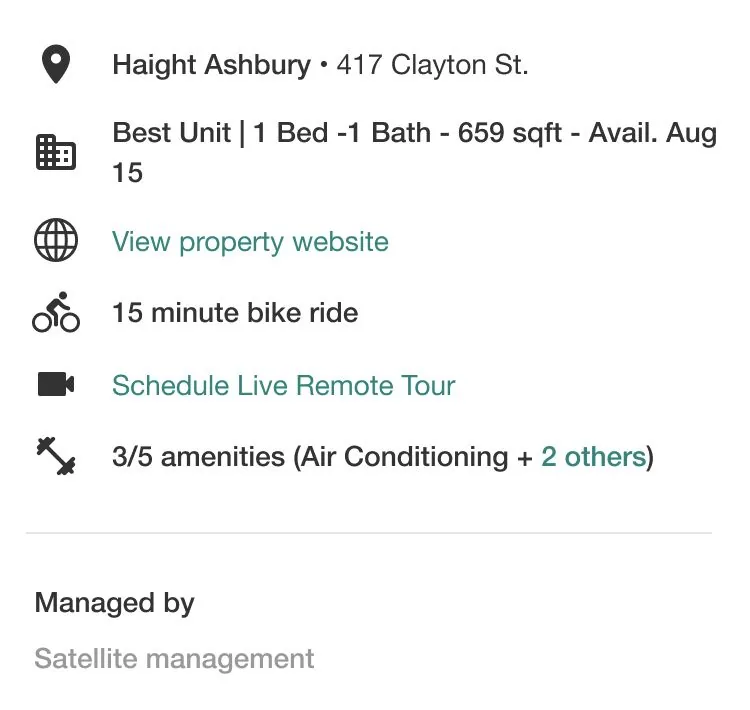
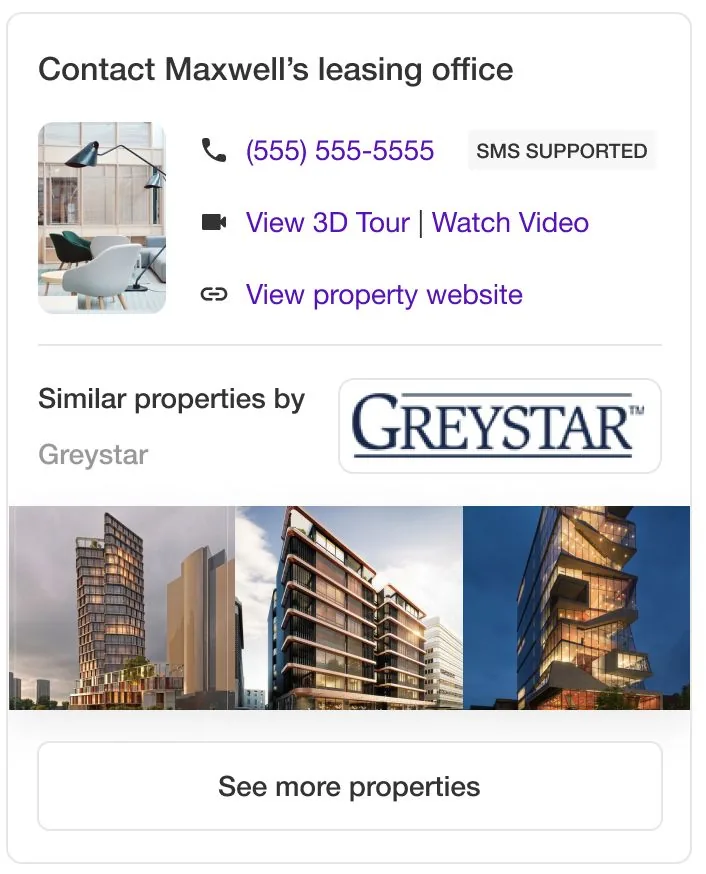
Put the property management company’s logo and fuller contact details on the listing card. Tested at roughly 8,000 sessions per arm over two weeks, with a 50/50 split and 95% confidence. It produced a small lift and was the smallest reason this program worked.
Spotlights: the result came from here
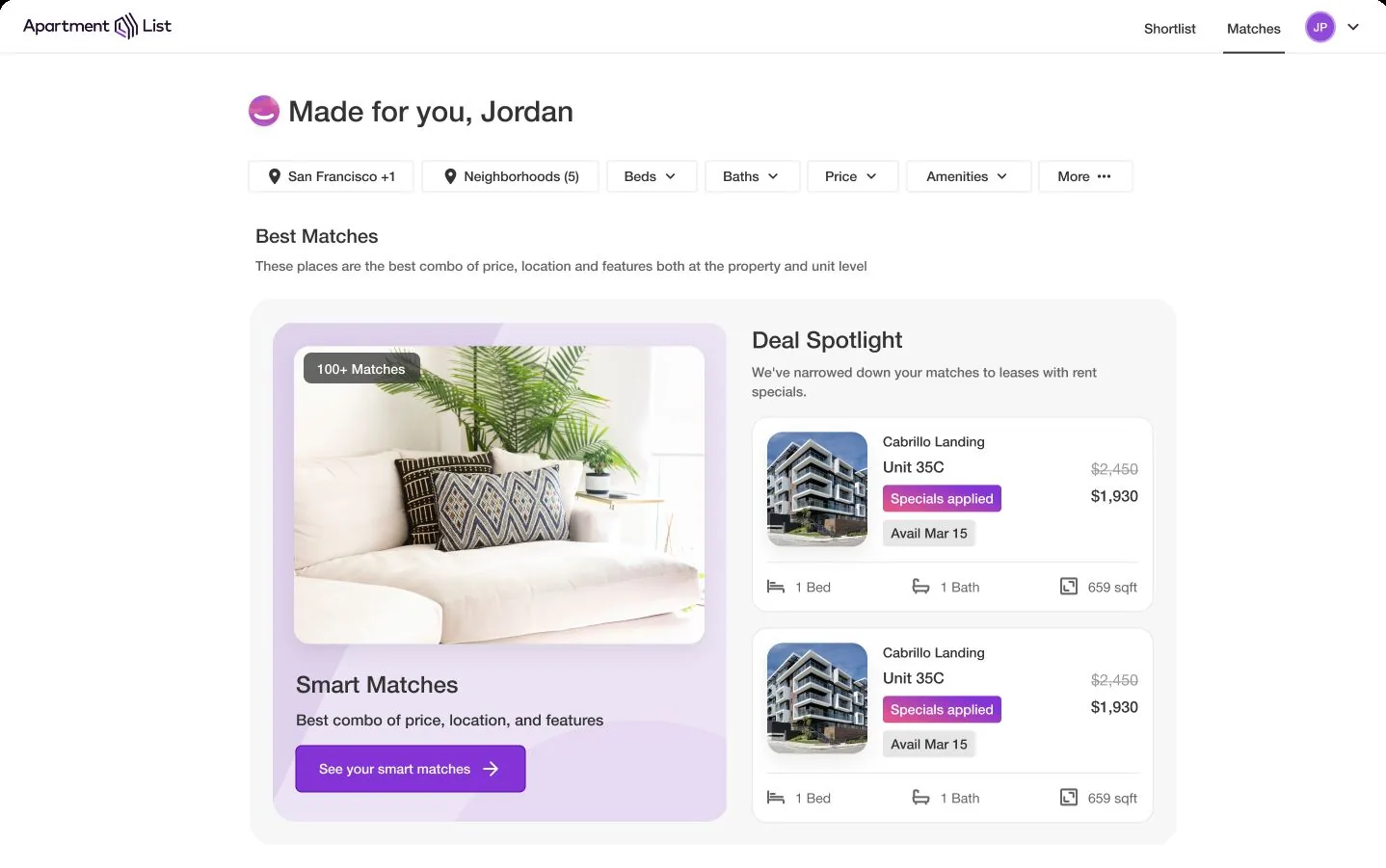
A promoted search slot that lifted a property management company above the organic feed, sold as placement. Every headline figure on this page comes from this experiment.
Bulk messaging: withdrawn
A flow that let a renter contact several properties from one company at once. Renters didn’t use it, so we removed it.
Chatbot: still live, still a problem
It puts a face behind the reply. Renters engage with it, then don’t contact the property. It passes every measure I set beforehand.
Selling the prominence
Could the marketplace sell the placement?
We could give qualifying listings a free trust badge, rank editorially by response quality, or sell promoted placement. A trust signal makes the marketplace claim something on a property manager’s behalf: adding a logo and direct line to a company that responds badly means the platform has vouched for that experience, which is worse than the anonymity it replaced.
We used paid placement, where the property management company chooses to appear and pays for the position. Paid prominence is not earned credibility, and renters who notice the difference may trust the whole surface less. Holdouts measured the effect against a control rather than shipping on conviction. Placement revenue moved from a $50k to a $500k run-rate, and property management companies kept buying it. That is a harder test than a conversion lift, because it is a market pricing the thing. A conversion lift is a number you have to take my word for.
What did I get wrong?
The approach put credibility next to the decision. The experiment that drove the result was paid placement further up the funnel, in front of renters still scanning rather than deciding.
The lockup and spotlight make the same argument at different volumes. The lockup names the company on a card a renter is already viewing and delivered a small lift. The spotlight puts that company somewhere it can’t be scrolled past. Prominence mattered more than credibility, and I had ranked them the other way around.
That changed the thesis. A signal only reduces choice fatigue if people see it. I spent the design effort making it credible rather than unavoidable.
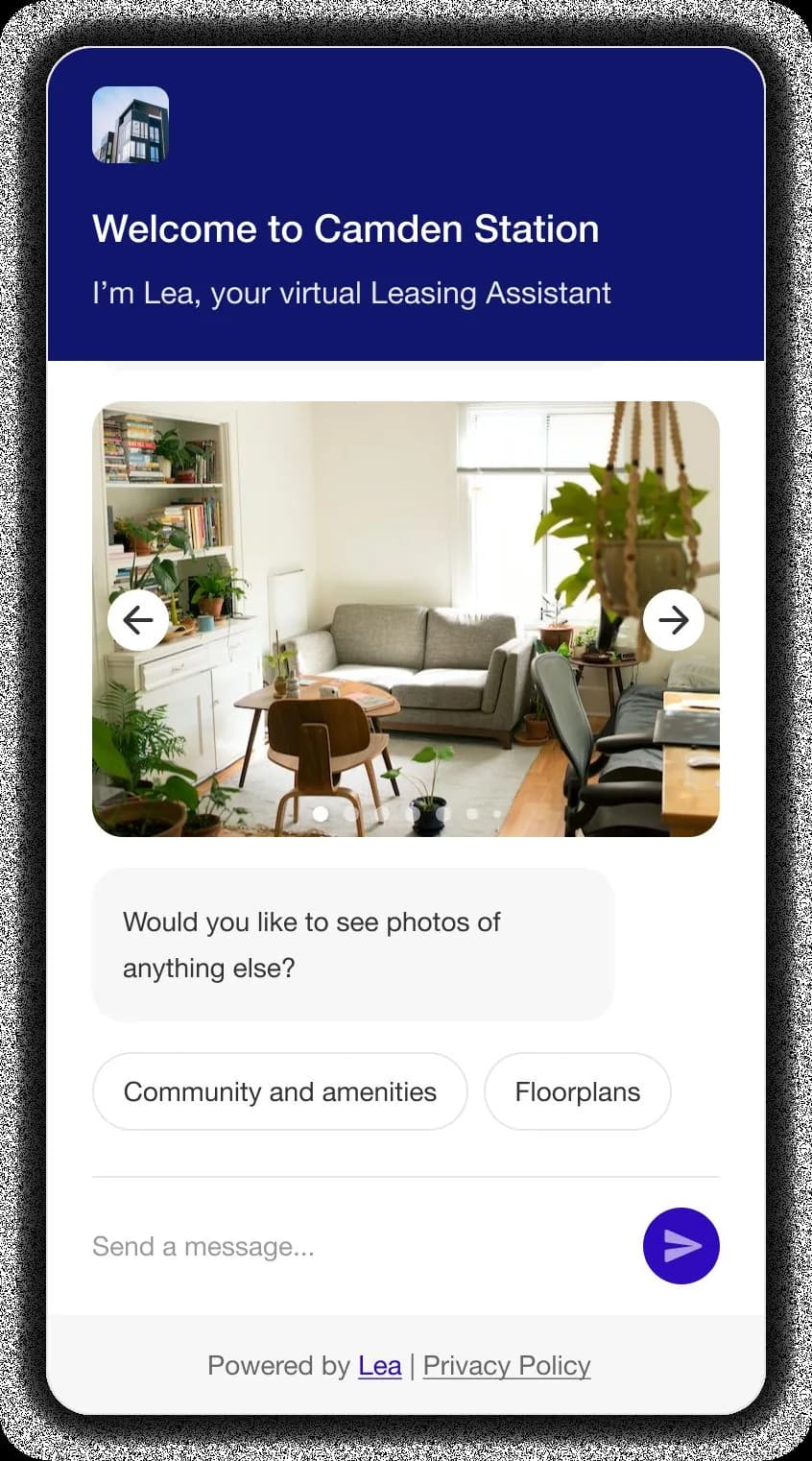
An engaged renter can still be a failed conversion
The chatbot is live and, by its own measure, works. Renters talk to it, then don’t contact the property. In this funnel, a conversation that answers the question well enough to end it is worse than no conversation.
Every measure I set beforehand was about engagement, and it passes them comfortably. I never resolved the conflict, and it was still running when I left. Bulk messaging was the cleaner failure: I was confident in it, but renters weren’t doing the job I designed for often enough to want a tool for it.
The evidence stops at engagement. Was the chatbot helping renters at the funnel’s expense? Nobody established that, and it was still running when I left.