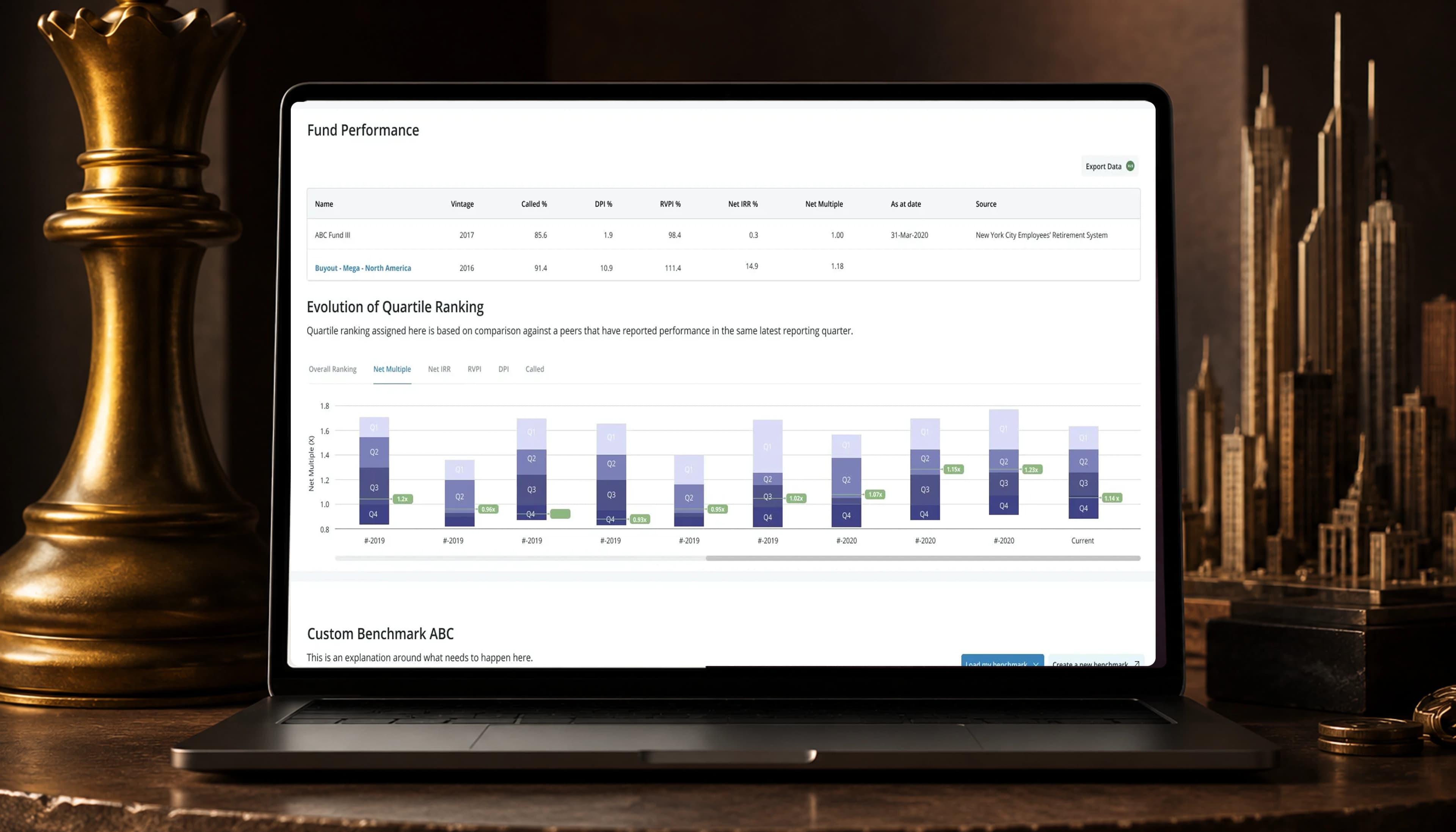
Diffe.rent~4 min read
The agent had to earn its way past “just another tool.”
The agent had to show checkable work before it asked anyone for trust.
- Role: Product management and design
- Timeline: Multi-phase
- Team: Cross-functional: engineering on the conversation model, and the commercial side on pricing. Product and design were mine.
- Impact: 65% adoption
- Platform: Web
What happened next
Adoption
Lead quality
Time saved
Adoption is the share of existing clients who tried the agent, across a base of 25 — so 65% is about sixteen of them, on contracts running roughly $100k each. A small denominator, and better stated than implied. Lead quality is counted in move-ins the property can trace back to an Apartment List lead, so a partner can check it against their own leases. Metrics took three months to come back here, which is the window all three figures are read over; the 300 hours accumulated across it. Both rates held for as long as the feature stood on its own. What is missing is the client count behind the 65%: a share is not a size.
Trust had to come before the pitch
Diffe.rent’s on-site AI agent was a clean pitch partners weren’t buying. They had already met Elise.AI, liked it, and dismissed ours as just another tool. Being new counted for nothing; coming second to a product they already rated counted for less than nothing.
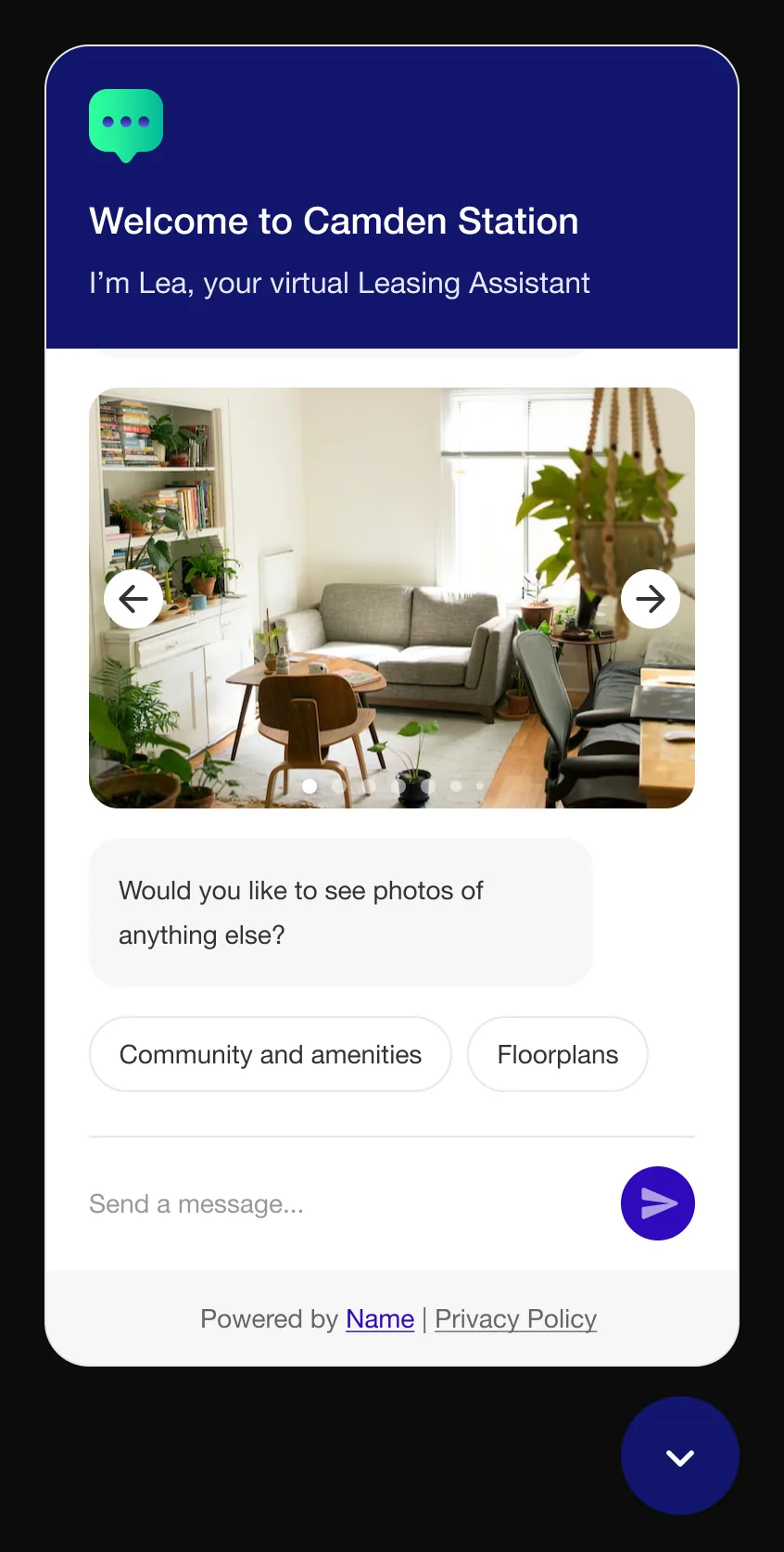
The redesign turned on one sequencing decision. Do visible work a partner can check before asking them to trust work they can’t see. The agent answered with a listing’s own photos, floorplans, and tours instead of describing them, then handed leasing agents a written summary of where each lead had got to.
What I owned
I owned
- The AI experience end to end, and the sequencing that earned adoption
- Partner research, including the Elise.AI comparison that reset the pitch
- The call to answer with media rather than text, and what that cost on thin listings
- The handoff summary that replaced a hand-written note
Shared cross-functionally
- Pricing and packaging of the standalone agent
- Where the agent handed a conversation to a human
- What the conversation model could reliably answer
Problem
What is an AI agent worth when nobody wants to use it?
We pitched an on-site AI agent to remove routine work. Partners dismissed it as “just another tool.”
They were comparing it with Elise.AI, which they liked and which did more than we were showing. AI was near the top of its hype cycle, and partners were judging everything in the category on merit. Being second to a product they already rated was worse than being unknown.
Show, don't just describe
Media inside the conversation
The questions a text agent handled worst were about the unit itself: what floor, what view, and whether it takes pets. Text-only answers and links to the listing sent renters away to look, which was where they left the conversation. I chose to give the agent media already attached to the listing and surface it inline. That meant it could only be as good as a partner's uploads: four dark photos could make it confidently show four dark photos, shaping a renter's view of a unit they had decided against. There was no mitigation that fixed this. I accepted the trade because renters who leave to look don’t return, and a mediocre answer in the conversation beats a good answer elsewhere. Partners could check the agent's work on their own listings before being asked to trust it with a lead.
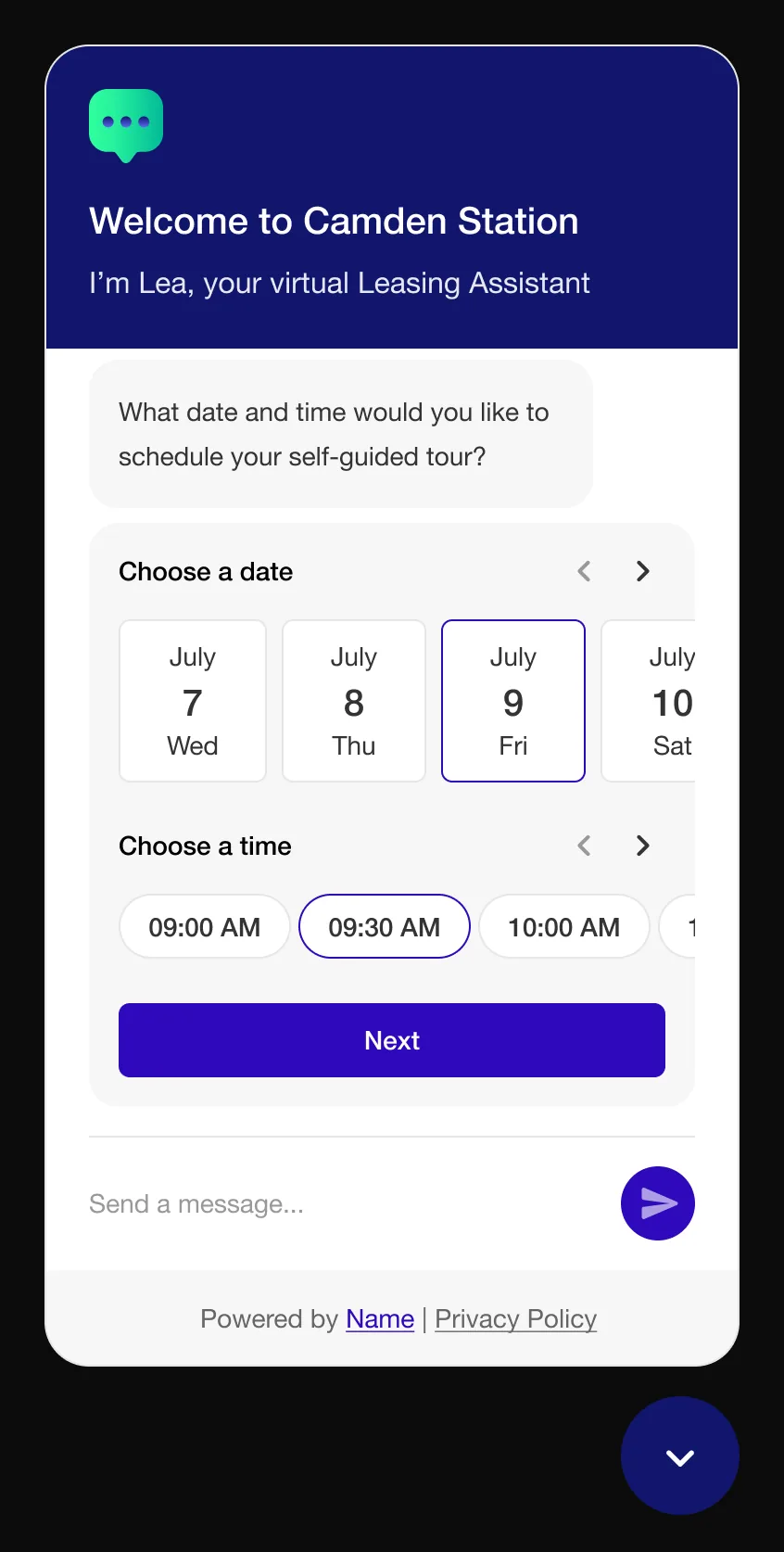
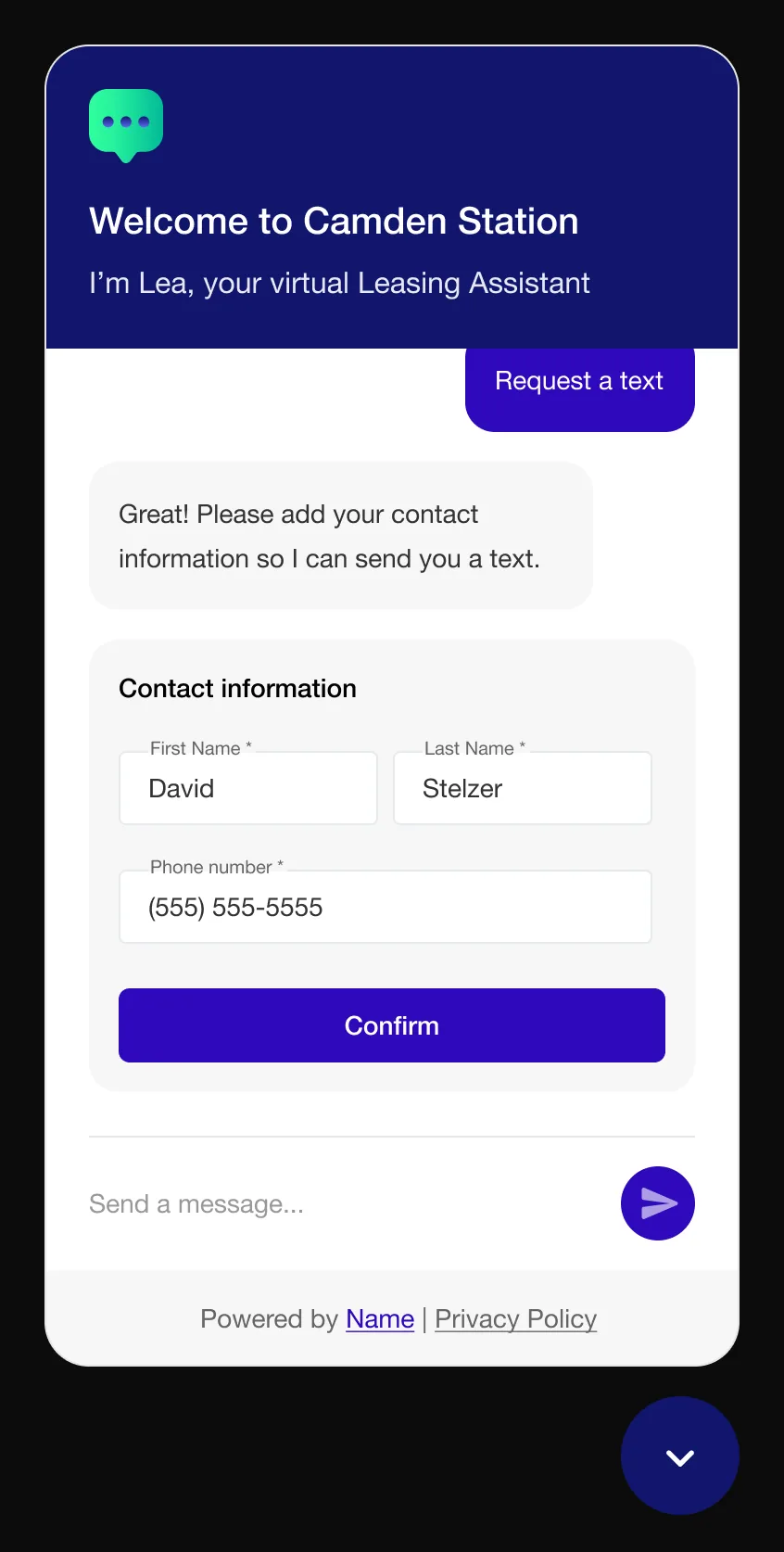
The summary sits beside the transcript, not instead of it
A summary at handoff
The handoff note had been written by a person on paper. No handoff artefact left leasing agents without context, while a full transcript was technically complete but impractical to read mid-shift. I chose a generated summary of what had been established and where the lead moved from low to high intent. A wrong summary could lead an agent to confidently restate something the renter never said, so it sat alongside the conversation rather than replacing it and could be checked in one click. Leasing agents could pick up without re-asking. The summary also made lead quality legible: after Diffe.rent was acquired by Apartment List, it was counted in move-ins a property could trace to an Apartment List lead and verify against its own leases.
The standalone product did not stay standalone
The agent launched with its own pricing, then competitors leapfrogged it and the feature was folded back into the main product rather than sold separately. The 65% adoption figure belongs to a product that no longer exists in the shape I designed.
That figure counts existing partners who tried the agent, not partners still using it a quarter later. I don’t have the retention number. Read 65% as evidence that partners gave it a try, not proof that the standalone product should have remained standalone.